
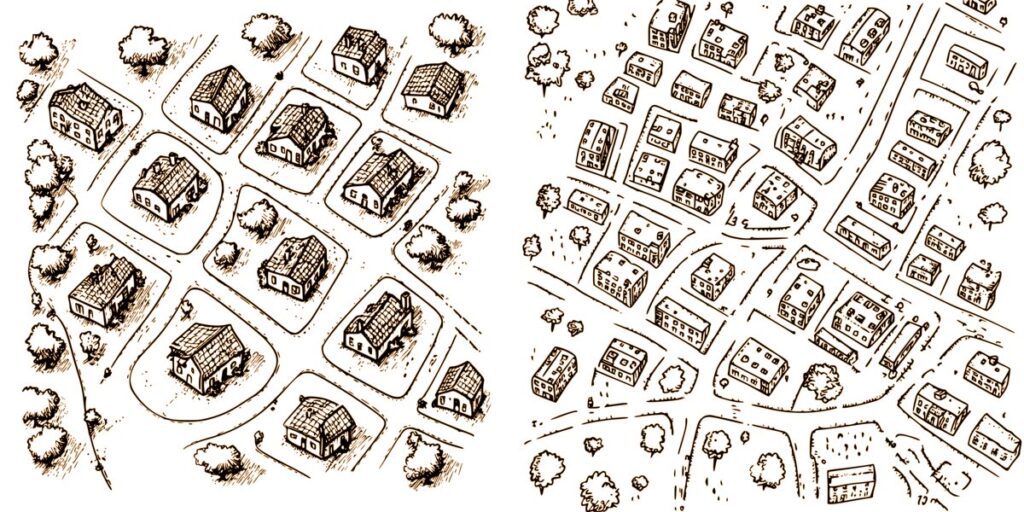
A Neighborhood Steeped in Local Lore
Tucked away in the heart of Parma, Ohio, Dogwood Estates stands as a testament to suburban growth, community bonds, and the loving care of generations of residents. From its earliest days as a humble enclave on the city’s western edge, Dogwood Estates has blossomed into one of Parma’s most cherished neighborhoods. For those who call it home—and for those lucky enough to visit—it is a place where history, pride, and neighborly spirit are as enduring as the stately dogwood trees that grace its winding streets.
Origins: From Farmland to Family Homes
Long before the name “Dogwood Estates” ever appeared on a map, this part of Parma was a patchwork of verdant farmland, forested lots, and modest homesteads. In the early 1950s, as Parma’s post-war population surged, families sought room to grow amid the open spaces west of State Road. Visionary developer John Koslov saw potential in a contiguous tract near Broadview Road and West Ridgewood Drive. Inspired by the graceful dogwood trees scattered around the property—especially near Meadow Lane and Blossom Drive—Koslov dubbed the subdivision "Dogwood Estates" to celebrate both the local flora and a vision of peaceful, leafy living.
Streets such as Timber Trail, Bluebell Drive, and Dogwood Lane were soon neatly platted, each name a gentle nod to the nature that once dominated the landscape. Early residents recall moving into freshly built ranches and colonials, watching children play in yards under the gentle shade of spring-blooming dogwoods.
How Dogwood Estates Got Its Name
The name Dogwood Estates is as much a reflection of the neighborhood’s character as its scenery. In the 1950s, Parma was considered a garden suburb, and developers capitalized on the sense of escape from the city by naming new neighborhoods after picturesque trees and flowers.
The particular abundance of dogwood trees—cherished for their distinctive blossoms and vibrant fall berries—made the choice obvious. Local legend says that Mrs. Helen Marcek, one of the first residents on Blossom Drive, successfully lobbied to include the dogwood in the official name, wanting to ensure that “our little patch of Parma” would always be associated with natural beauty and renewal. Over time, community groups began planting even more dogwoods throughout the parks and sidewalks, with several still thriving today near Meadow Lane Park.
Key Historical Milestones
Dogwood Estates has seen its fair share of milestones over the decades:
- 1953: The neighborhood is officially platted and ground broken on the first homes along Dogwood Lane and Bluebell Drive.
- 1958: Dogwood Community Park, a two-acre green space nestled between Timber Trail and Blossom Drive, opens as a gathering place for picnics, summer ballgames, and winter sledding.
- 1969: The neighborhood association is founded, championing events like the annual Dogwood Days festival.
- 1976: The city recognizes Dogwood Estates with a heritage plaque commemorating its contributions to Parma’s suburban expansion.
- 1990s–2000s: New families move in, updating homes but preserving the classic facades and well-tended sidewalks that give the neighborhood its timeless appeal.
Notable Landmarks and Institutions
Dogwood Estates may be a quiet corner of Parma, but it is rich in landmarks that hold generations of memories:
- Dogwood Community Park: Tucked away from traffic, this park has been the neighborhood’s heart for decades—a place for block parties, family reunions, and the laughter of children swinging beneath the dogwoods.
- St. Timothy’s Chapel: Situated on the corner of Bluebell Drive and West Ridgewood, this little stone church dates back to 1962 and is beloved for its steeple and annual winter craft fair.
- Dogwood Estates Elementary (now the Dogwood Early Learning Center): Once bustling with grade schoolers, the building lives on as a vibrant preschool and community resource.
- Meadow Lane Greenbelt: This quiet stretch of unbroken green along Meadow Lane remains an unofficial nature preserve, with walking paths added in the early 2000s.
Not to be overlooked are the beautifully kept mid-century homes themselves—many still display the decorative brickwork and angled porches that were hallmarks of 1950s and ’60s architecture.
Evolution Through the Decades
As Parma evolved from a small township to a bustling suburb of Cleveland, Dogwood Estates adapted alongside it. Many original families still live in the neighborhood, their children having taken over family homes. This continuity helps preserve traditions—like the famous spring yard sale weekends, where neighbors catch up amid rows of tables and children sell lemonade.
Newcomers bring fresh energy, updating interiors with modern comforts while respecting classic exteriors. The neighborhood association continues to thrive, organizing seasonal celebrations and partnering with local schools.
Today, Dogwood Estates enjoys both a sense of stability and quiet progress. Trees planted by first owners shade the streets, and the “storybook” feel of homes along Timber Trail and Dogwood Lane endures, even as Parma’s commercial bustle hums nearby.
What Makes Dogwood Estates Special
What sets Dogwood Estates apart isn’t just its history but the unmistakable warmth of its community. Neighbors greet each other by name. Walks through Dogwood Community Park on a summer evening reveal children playing, dogs barking, and friends chatting over garden fences.
- A Place for Every Generation: From the earliest days of baby boomers moving in, to today’s diverse mix of families and retirees, Dogwood Estates remains welcoming.
- Preserved Green Spaces: The parks and greenbelts offer a quiet refuge, while decades-old trees evoke a sense of continuity and calm.
- Celebration of Tradition: Annual events—like the Dogwood Days parade and winter light contest—ensure that even newcomers feel part of something bigger than themselves.
In a world where neighborhoods too often change without a backward glance, Dogwood Estates shows that honoring heritage only makes a community stronger. Those who have lived here longest will tell you: it isn’t just the name, the parks, or even the homes. It’s the roots—deep, intertwined, and blooming year after year—that make Dogwood Estates truly special.